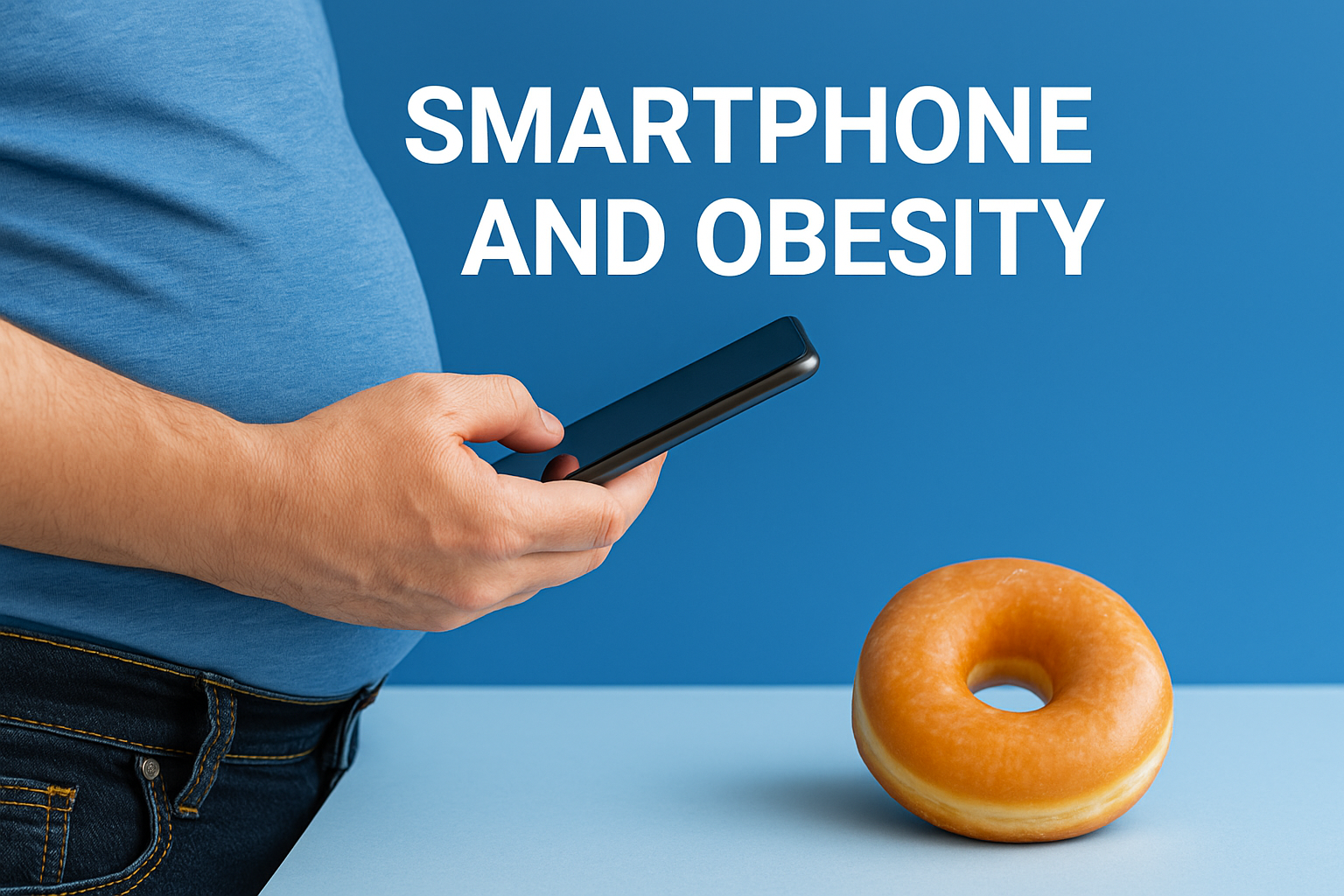
Obesity is a complex chronic disease involving excess body fat that can affect metabolic, cardiovascular and overall health. In adults, obesity is commonly screened using body mass index (BMI) and divided into three classes. However, BMI is a screening tool—not a direct measurement of body fat or health.
Obesity Classes and BMI Chart
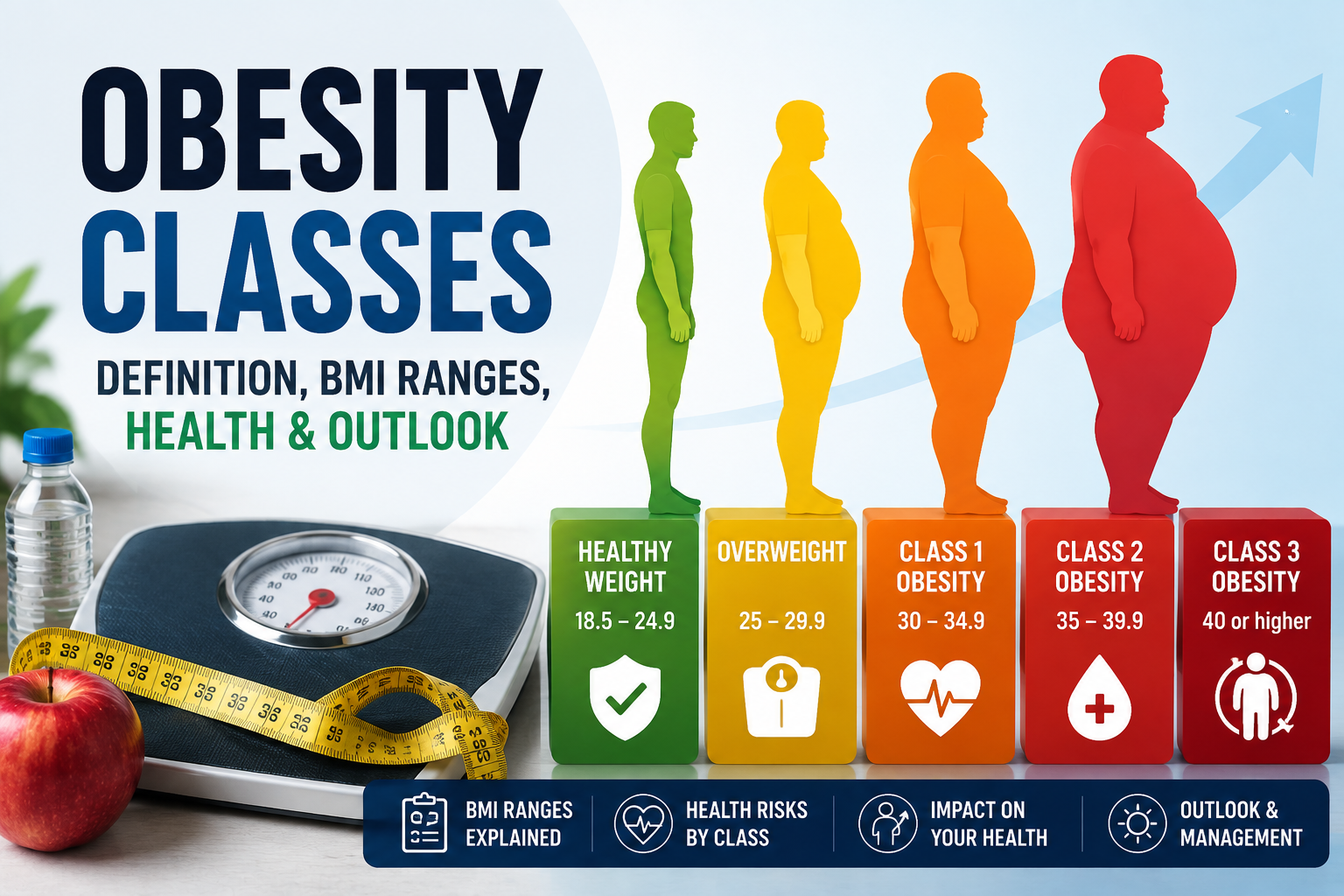
| Category | BMI range (kg/m²) |
|---|---|
| Healthy weight | 18.5 to <25 |
| Overweight | 25 to <30 |
| Class 1 obesity | 30 to <35 |
| Class 2 obesity | 35 to <40 |
| Class 3 obesity (severe obesity) | 40 or higher |
These adult BMI classifications are widely used for screening. BMI is calculated by dividing weight in kilograms by height in metres squared.
Download BMI Chart
Class 1 Obesity: BMI 30–34.9
Class 1 obesity is the first obesity category. Health risks vary substantially between individuals and depend on factors such as waist circumference, blood pressure, blood sugar, cholesterol, physical activity and medical history.
A BMI alone cannot show how much of a person’s weight is muscle, subcutaneous fat or visceral fat.
Class 2 Obesity: BMI 35–39.9
Class 2 obesity generally signals a higher likelihood of obesity-related complications. Excess body fat can contribute to long-term metabolic changes and inflammation, increasing the risk of conditions including type 2 diabetes, hypertension, abnormal blood lipids, sleep apnea and cardiovascular disease.
Class 3 Obesity: BMI 40 or Higher
Class 3 obesity is also commonly called severe obesity. Health risks can rise as excess weight increases and persists over time, although BMI still cannot predict an individual’s exact health outcome.
People in this category may benefit from a comprehensive medical assessment. Depending on individual circumstances and obesity-related conditions, treatment can include structured lifestyle support, behavioural therapy, prescription medicines and, for some patients, metabolic or bariatric surgery.
What Health Problems Are Linked to Obesity?
Obesity is associated with a higher risk of:
- Type 2 diabetes
- High blood pressure
- Heart and blood-vessel disease
- High cholesterol and triglycerides
- Sleep apnea and other breathing problems
- Fatty liver disease
- Osteoarthritis
- Gallbladder disease
- Some cancers
Risk is influenced by many factors—not BMI alone.
Health Outlook: Can Risks Improve?
Yes. Meaningful health improvements can occur without aiming for an unrealistic “perfect” weight. The NHLBI notes that losing around 5% to 10% of body weight can provide important health benefits for many people with overweight or obesity.
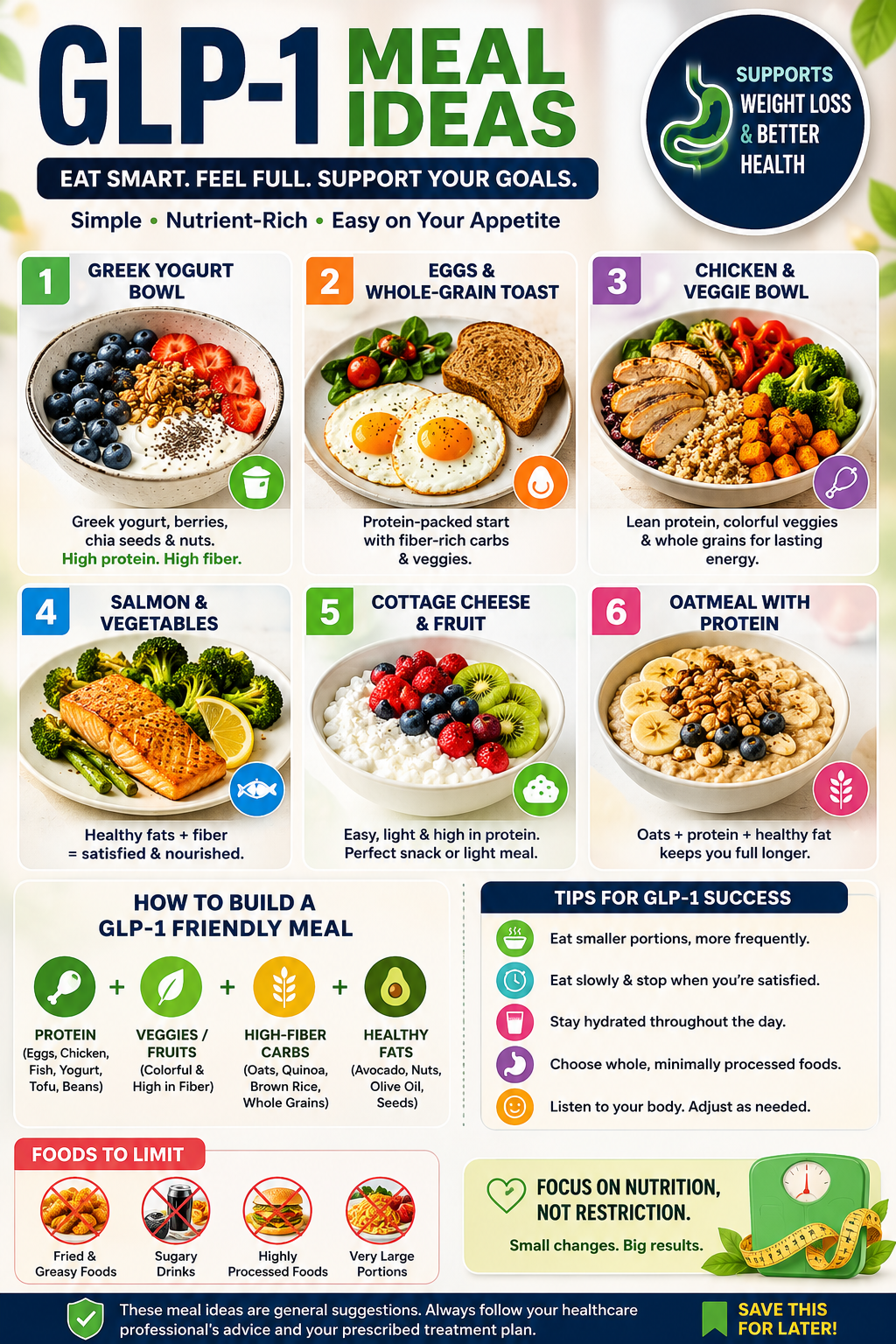
Long-term management may involve sustainable nutrition changes, regular physical activity, adequate sleep, behavioural support and, when medically appropriate, anti-obesity medication or surgery. The best approach depends on the individual.
Bottom Line
Obesity classes are based on BMI ranges: Class 1 is 30–34.9, Class 2 is 35–39.9 and Class 3 is 40 or higher. But a BMI number is only one part of the health picture. Waist size, metabolic health, fitness, medical history and other factors also matter.
Disclaimer: This article is for educational purposes only and is not medical advice. BMI is a screening measure and does not diagnose body-fat distribution or individual health risk. Consult a qualified healthcare professional for personalised assessment and treatment.